There's a feature gap in the AI receptionist market that most business owners don't know exists. The vast majority of voice AI platforms deploy static agents. You set them up, they perform at a fixed level, and they stay there. If you want improvements, you make them manually.
Self-learning voice AI is different. It gets better on its own.
What Self-Learning Actually Means
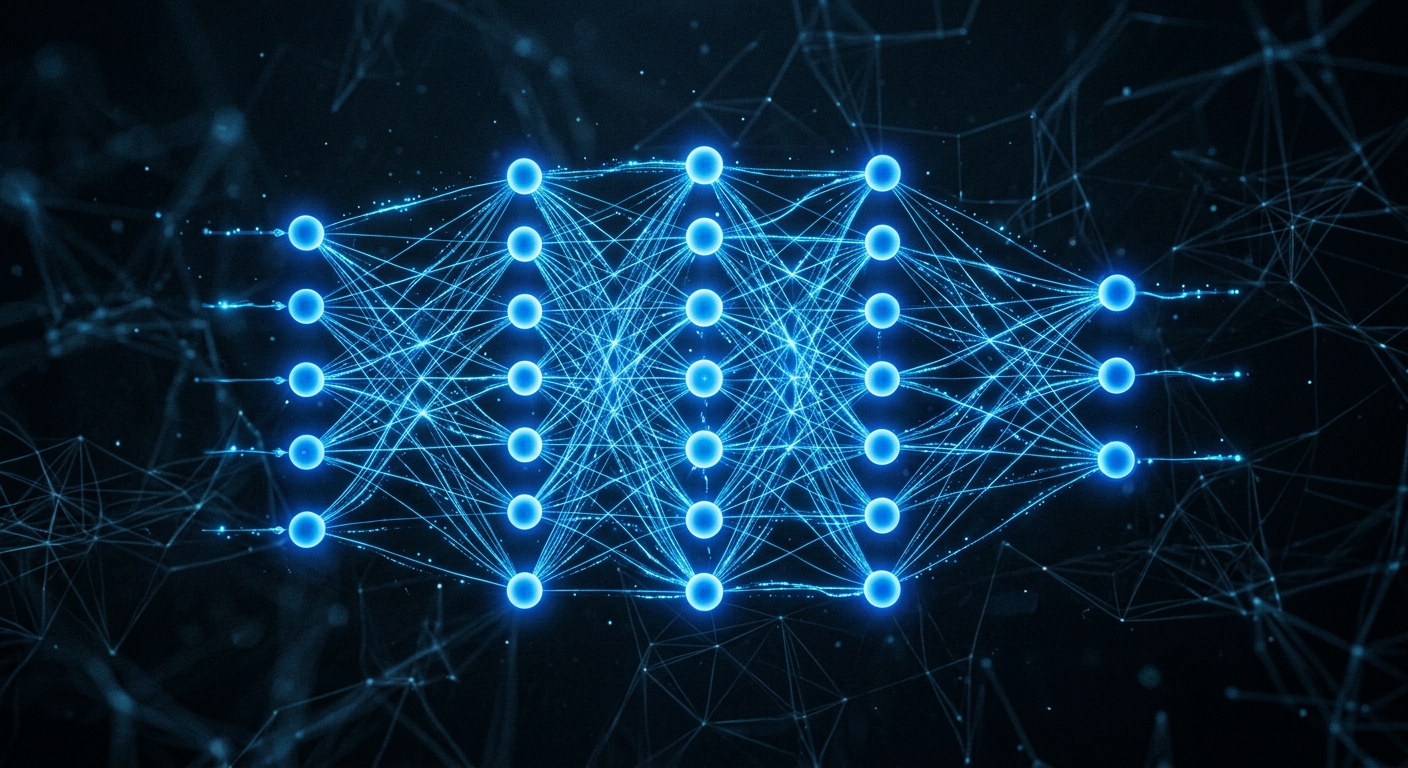
A self-learning voice AI agent doesn't just follow instructions — it analyzes outcomes. After every call, it evaluates what happened: Did the caller book an appointment? Did they get their question answered? Did they seem confused at any point? Did they hang up early?
This analysis feeds into a continuous improvement loop. The AI identifies patterns — certain phrasings that lead to higher booking rates, specific questions that callers struggle with, time periods where call handling could be smoother — and automatically adjusts its approach.
You don't need to tell it what to fix. It figures it out.
Why Static AI Hits a Ceiling
Static voice AI has a hard performance ceiling. It's only as good as the initial prompt it was given — the one you create during initial setup. If the prompt doesn't account for a specific scenario, the AI handles it poorly — forever. If callers in your industry tend to phrase questions in a particular way that the prompt didn't anticipate, the AI stumbles — forever.
Human receptionists at least learn on the job. They hear the same question asked 50 different ways and adapt. Static AI doesn't. It handles attempt #1 and attempt #50 identically, which means it never develops the intuition that comes from experience.
Self-learning AI closes this gap. It develops something analogous to experience — not through consciousness, but through systematic analysis of thousands of call interactions.
The Compounding Effect
The really interesting thing about self-learning AI is that improvements compound. A 2% improvement in call handling in week one leads to better data in week two, which leads to better refinements in week three. Over months, the cumulative improvement is substantial.
Businesses using RevSquared's self-learning agents report measurable improvements in key metrics within the first 30 days: higher appointment booking rates, shorter average call times (because the AI gets more efficient at reaching outcomes), and fewer caller hang-ups.
This compounding improvement is why RevSquared's agents convert at approximately 85% of what a top-level human rep achieves. That number isn't static — it's the current average. Agents that have been running for months often perform closer to 90%. Curious whether callers can even tell the difference? Read our deep dive on whether callers know they're talking to AI.

How It Works Under the Hood
RevSquared's self-learning system works in three stages:
Analysis — After each call, the system evaluates the conversation against key metrics: was the caller's intent resolved? Was an appointment booked? How long did the call take? Were there any friction points?
Pattern recognition — Across hundreds and thousands of calls, the system identifies trends. Maybe callers who ask about pricing in the first 30 seconds have different conversion patterns than callers who ask about pricing at the end. Maybe certain greeting styles lead to longer, more productive conversations.
Prompt optimization — Based on these patterns, the AI generates refined versions of its conversational approach. Changes are deployed automatically but tracked with version history, so you can see exactly what changed and when — and roll back if you prefer a previous version.
You're Still in Control
Self-learning doesn't mean unsupervised. Every improvement the AI makes is transparent and reversible. You can:
Review what the AI changed and why. Override any adjustment you disagree with. Set guardrails on what the AI can and cannot modify. Roll back to any previous version instantly.
Think of it like having an employee who proactively improves their own performance and shows you exactly what they changed — and lets you override anything you don't like.
Why This Matters for Your Business
The difference between a static AI agent and a self-learning one compounds over time into a significant competitive advantage. While your competitor's AI handles calls the same way it did on day one, yours is continuously getting better — booking more appointments, qualifying leads more effectively, and delivering a caller experience that improves every week.
In a market where every missed call goes to a competitor, the AI that learns is the AI that wins.
For a deeper look at why RevSquared is the only voice AI platform with genuine self-learning capabilities, and why static voice AI agents are already obsolete, check out our latest research.