It's the first question every business owner asks when considering an AI receptionist: "Will my callers know they're talking to AI?"
It's a fair question. If callers can tell immediately, it could feel impersonal. If the AI sounds robotic, it could hurt your brand. The concern makes sense.
Here's the honest answer based on where voice AI technology stands in 2026.
The Short Answer
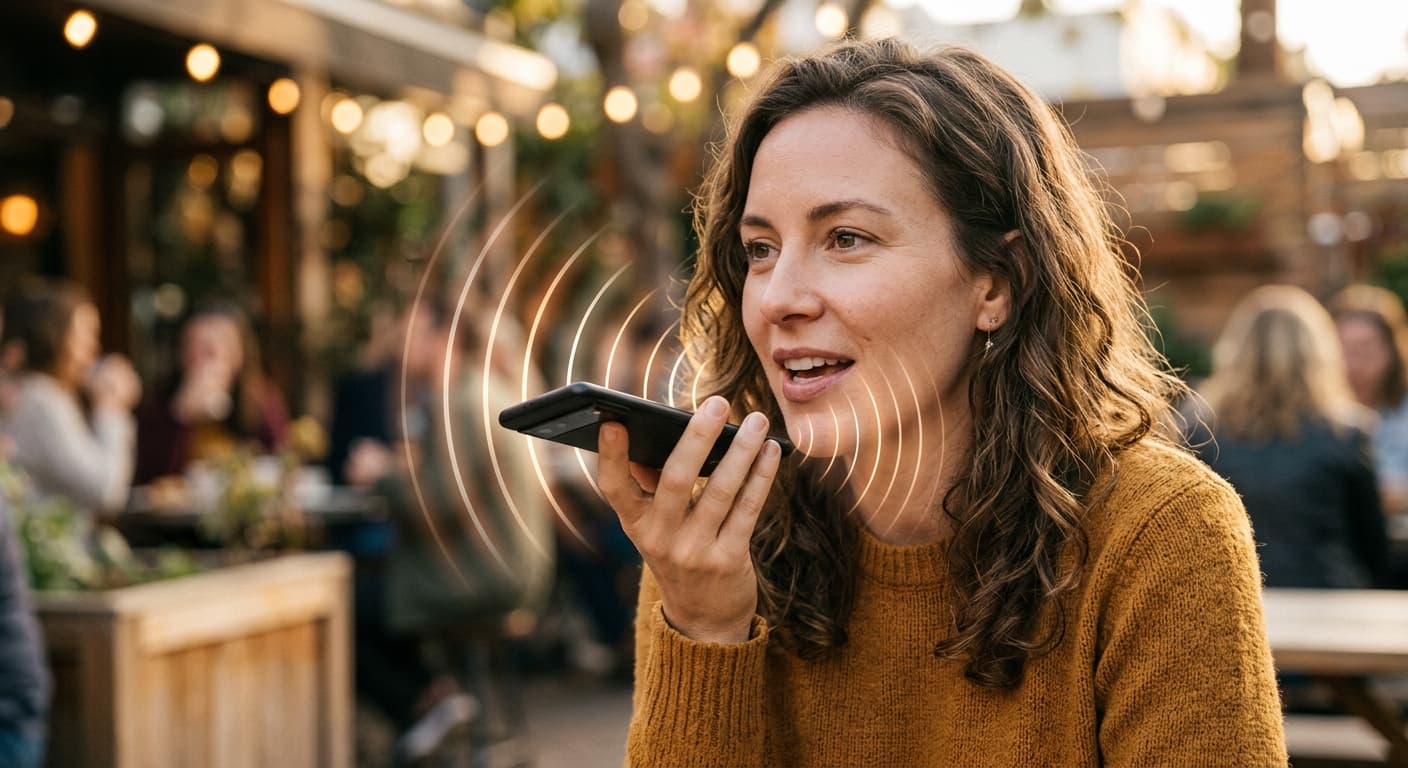
Most callers cannot tell the difference between a well-configured AI receptionist and a human. Voice synthesis technology has reached a point where AI voices are virtually indistinguishable from natural human speech — with natural inflection, appropriate pacing, conversational pauses, and emotional responsiveness.
This isn't theoretical. It's borne out by actual call data across thousands of businesses using AI receptionists. The vast majority of callers interact with the AI as if they're speaking with a person.
Why Today's AI Voices Are Different
If your reference point for AI voices is Siri circa 2015, update your mental model. The technology has undergone a generational leap.
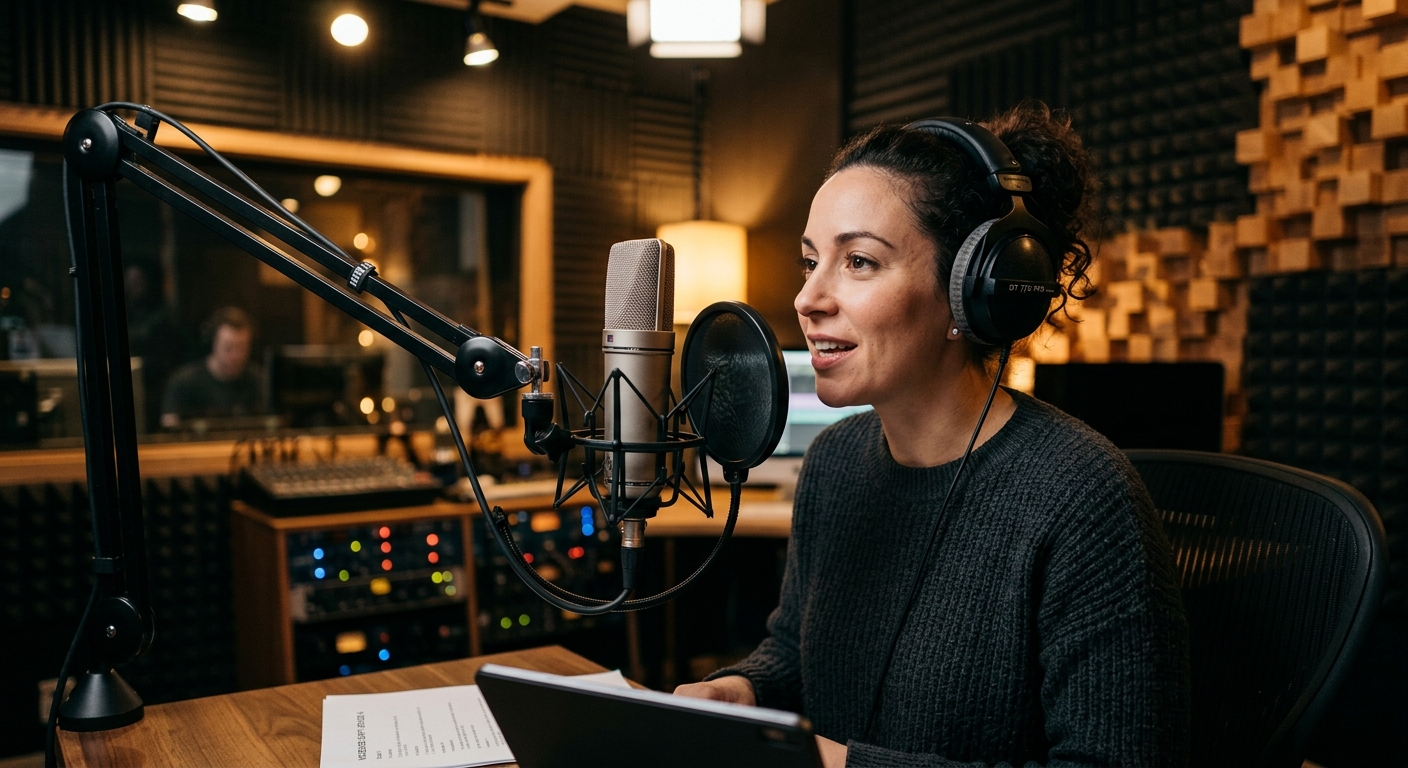
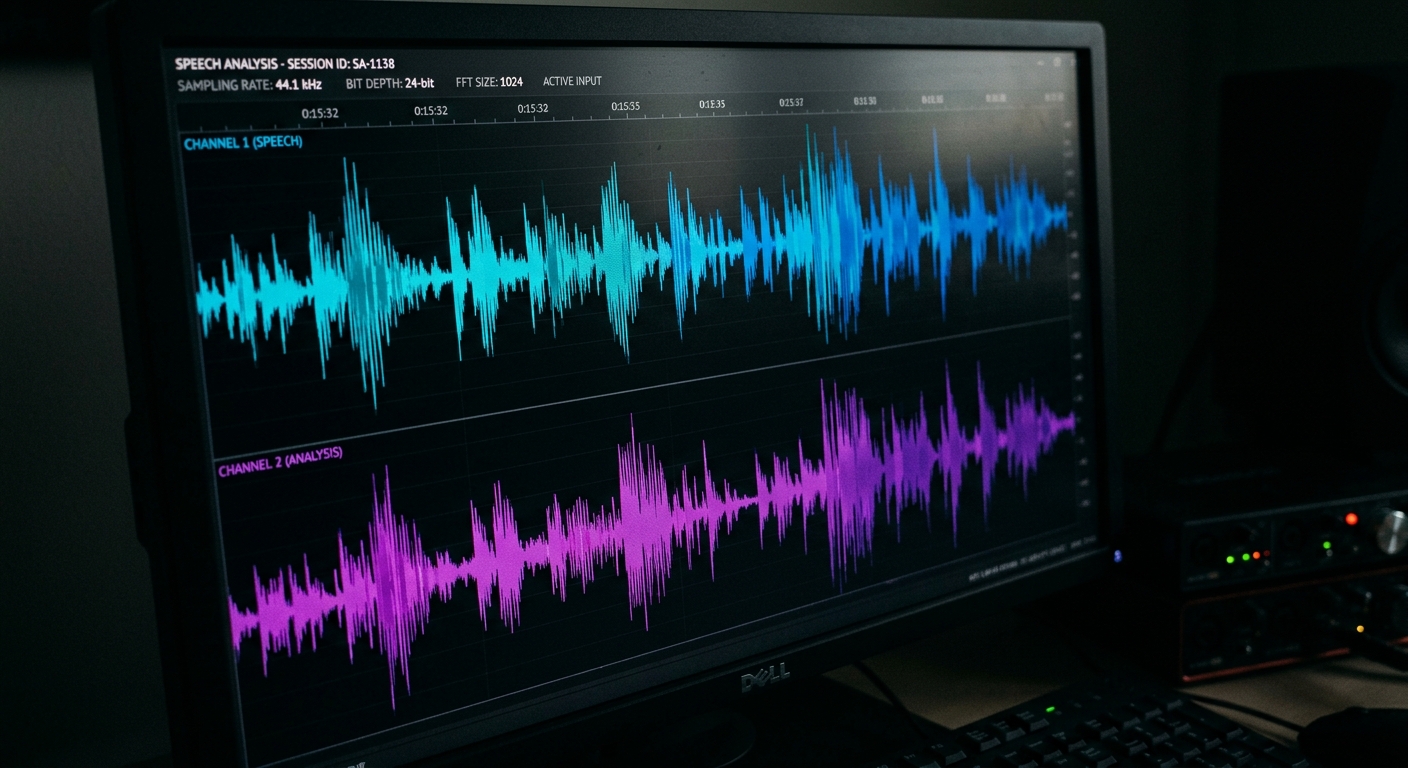
Modern neural text-to-speech engines — from providers like ElevenLabs, OpenAI, Deepgram, and Cartesia — generate speech that captures the subtle qualities of human conversation: micro-pauses between thoughts, natural emphasis on important words, slight variations in pitch and rhythm.
The voices aren't synthesized word-by-word the way older systems worked. They generate speech in fluid segments that mirror how humans actually speak — with natural flow and cadence.
The Conversation Quality Factor
Voice quality alone isn't enough if the conversation feels scripted or rigid. This is where most older AI phone systems failed — the voice might have sounded okay, but the responses were clearly pre-scripted, repetitive, or tone-deaf to what the caller was actually saying.
Modern AI receptionists built on large language models have genuine conversational intelligence. They understand context, follow the thread of a conversation, handle interruptions gracefully, and respond appropriately to unexpected questions.
When a caller asks something the AI wasn't specifically programmed for, it doesn't freeze or give a robotic "I'm sorry, I don't understand." It reasons about the question and gives a helpful response, just as a knowledgeable human would.
Voice Variety Matters
One underappreciated factor in caller perception is voice selection. If your AI receptionist uses the same voice as every other AI system callers interact with, they might recognize it.
Platforms like RevSquared offer premium voices across multiple voice synthesis providers. You can choose a voice that matches your brand's personality — warm and friendly, professional and authoritative, upbeat and energetic — rather than defaulting to a generic AI voice that callers might have heard elsewhere.
For businesses that want maximum brand consistency, RevSquared's voice cloning technology lets you create a completely unique voice for your AI agent. Your business gets its own vocal identity that no other business shares.
Should You Disclose?
The ethical and legal dimensions of AI disclosure vary by jurisdiction and industry. Some businesses proactively disclose ("You're speaking with our AI assistant"), while others let the conversation flow naturally.
Here's what we've observed: businesses that disclose upfront see minimal negative impact on call outcomes. Most callers don't care whether they're talking to a human or AI — they care whether their question gets answered and their appointment gets booked.
The callers who do notice they're speaking with an AI almost universally react with curiosity rather than negativity. "Wait, is this an AI? That's impressive" is far more common than "I want to speak to a human."
The Bottom Line
Voice AI in 2026 has crossed the uncanny valley. The vast majority of callers interact with AI receptionists as naturally as they would with a human. The technology handles real conversations with genuine context awareness and natural speech quality.
The question isn't really "will callers know?" anymore. The question is: "Will callers care?" And the data shows they care far more about getting a fast, accurate, helpful response than about whether that response comes from a human or an AI. Much of this natural feel comes from self-learning voice AI that continuously refines how it handles conversations. RevSquared is the only platform where agents genuinely learn from every call, which is why conversations sound more natural over time — the AI adapts to how your specific callers communicate.
Every call your AI receptionist handles is a call that would have gone to voicemail otherwise. A great AI conversation beats no conversation every time.